
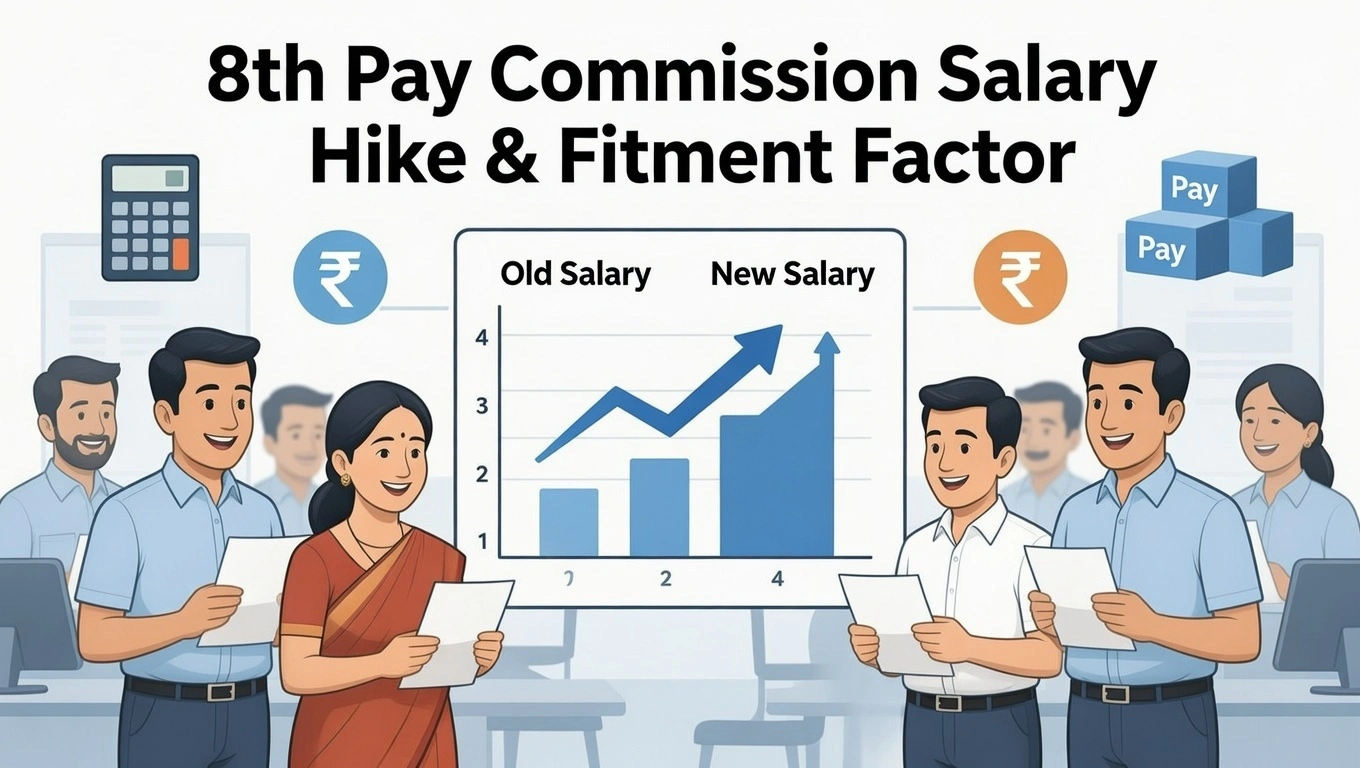
The wait for the 8th Central Pay Commission is heating up as we move through January 2026. For lakhs of central government employees and pensioners, this means hopes of better pay, higher pensions, and some much-needed relief from rising costs. The 7th Pay Commission ended on December 31, 2025, so many expected changes right from January 1, 2026. But things are moving slower—no big salary jump has hit accounts yet. Still, the process is on track, and good news could come soon.
The government approved the Terms of Reference (ToR) for the 8th Pay Commission in late 2025. Justice Ranjana Prakash Desai leads the panel, with a part-time member and Member-Secretary. They have 18 months to submit recommendations, so the full report might arrive by mid-to-late 2027. Once approved, the new pay rules are likely to apply retrospectively from January 1, 2026. That means employees and pensioners could get arrears for the waiting period—a nice lump sum when it finally arrives.
Table of Contents
Who Benefits from the 8th Pay Commission?
- Around 50 lakh central government employees (including defence personnel)
- About 65-70 lakh pensioners and family pensioners
State employees usually follow central changes later, but this one is mainly for central staff.
What to Expect: Salary Hike and Fitment Factor
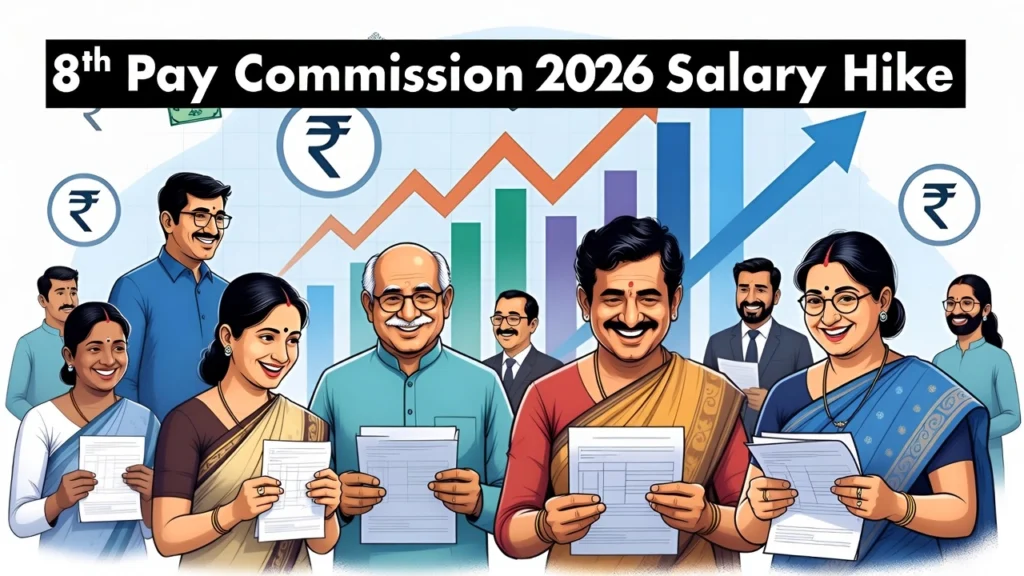
The big question is the fitment factor—the multiplier that updates your basic pay. The 7th Pay Commission used 2.57. For the 8th, experts guess it could range from 1.83 to 2.86, depending on inflation, economy, and government finances. Some say a realistic number is around 2.15-2.46, while unions push for higher like 2.86.
This could mean a 20-35% overall hike in basic pay. Lower-level employees (Group C/D) might see bigger percentage gains to help with entry-level pay gaps. Dearness Allowance (DA) is already near 60% and will keep rising twice a year until the new structure merges it into basic pay and resets it to zero.
Quick Timeline Table
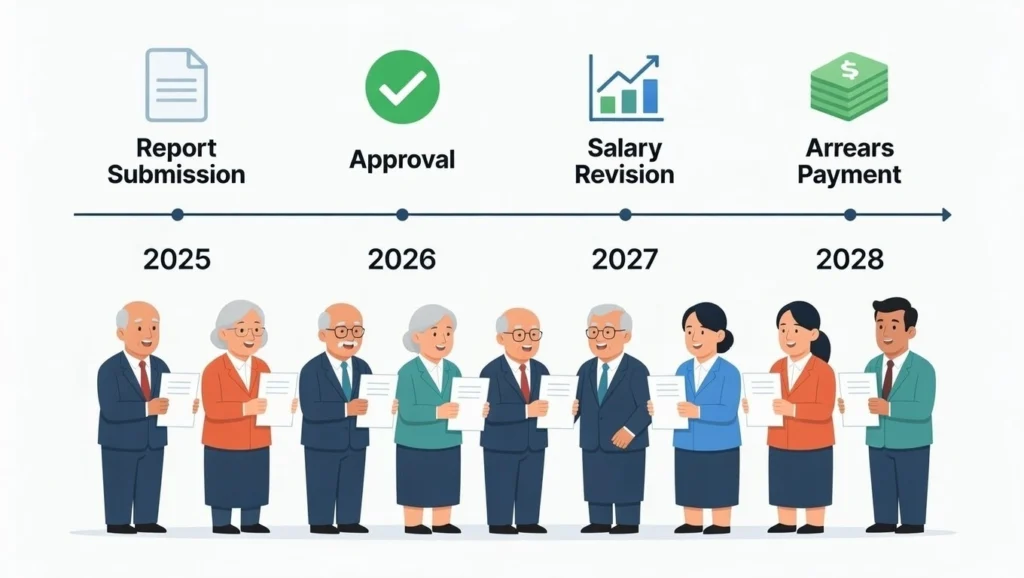
| Key Point | Details | Expected Timeline |
|---|---|---|
| Commission Formed | ToR approved, Chairperson appointed | Late 2025 |
| Report Submission | 18 months from formation | Mid-to-late 2027 |
| Effective Date | Retrospective from January 1, 2026 | January 1, 2026 (on record) |
| Actual Salary/Pension Hike | After Cabinet nod and notification | Late 2026 to 2028 |
| Arrears Payment | Lump sum for delay period | With first revised salary |
Reports from ICRA and others note that the delay means no big budget hit right now, but arrears could push spending up sharply in the implementation year—maybe FY2028.
Why the Wait Feels Long
January 2026 came and went without instant changes, which is normal. Past commissions took months (even a year or two) after the effective date to roll out. The good part? Arrears build up, so when higher pay starts, you get back pay too. For many families, this could feel like a welcome boost amid everyday expenses.
Pensioners also stand to gain from updated basic pensions and family rules. The commission looks at everything—pay matrix, allowances like HRA and TA, and more—to make things fairer.
Frequently Asked Questions (FAQs)
Q1: Has the 8th Pay Commission started from January 2026?
Yes, it became effective from January 1, 2026 (retrospective), but actual salary/pension changes wait for the final report and approval.
Q2: When will I get the salary hike?
Likely late 2026 to 2028, after the commission submits its report (around 2027) and government nods.
Q3: Will there be arrears?
Yes, almost sure. If delayed, you get back pay from January 1, 2026 onwards as a lump sum.
Q4: What fitment factor is expected?
No official yet. Range talked about: 1.9 to 2.86. Employee unions want higher (3.0+), experts say 2.0-2.5 more likely.
Q5: What about DA in the meantime?
DA keeps rising every 6 months (next one soon to around 60%+). It gives relief until new pay resets it.
Q6: Who decides the final changes?
The Pay Commission recommends, then the government approves and notifies.
Stay updated—more news will come as the commission works. For central employees and pensioners, this could bring real help after the long wait.